Chemistry has a knack for keeping one humble, and sulfur tetrafluoride reminds anyone dabbling in the field how tricky—and fascinating—some molecules can be. The discovery of SF4 in the early twentieth century marked a shift for industries hoping to wield the power of fluorine with more control. Before this, chemists leaned heavily on dangerous or inefficient reagents for introducing fluorine into organic molecules. When the French chemist Moissan managed to isolate elemental fluorine, it was only a matter of time before researchers started exploring what sulfur could do when paired with this wildly reactive element. By the 1950s, synthetic chemists realized that sulfur tetrafluoride could add remarkable value, especially as industries and academia recognized the importance of fluorine-containing substances in medicine, agrochemicals, and advanced materials.
SF4 sits near the top of the wish list for those aiming to insert fluorine atoms into molecules without burning everything in sight. Its niche role as a fluorinating agent is clear; the compound facilitates conversions that, in some cases, little else can achieve. Where even hydrogen fluoride leaves groaning sighs and scarred glassware, SF4 will, in experienced hands, transform carbonyl or hydroxyl groups with a little more finesse. For all its benefit, this gas doesn't come quietly. Toxicity, handling hazards, and expense make it a specialty tool, not a mass-market commodity.
Anyone working with sulfur tetrafluoride has to respect its physical presence. Left at room temperature, it hovers as a colorless gas with a distinct, piercing odor—think burnt matches mixed with something more invasive. It boils at just above freezing and chills down to a liquid at standard pressure under the right circumstances. While it avoids flammability, this is one of those chemicals that brings its own special dangers. SF4 eagerly hydrolyzes in contact with water or even atmospheric moisture, producing sulfur dioxide and hydrogen fluoride, both of which turn routine lab procedures into a breathing risk. Its reactivity with glass, organic compounds, and metals means any careless storage or transfer can go off-script fast.
Regulators don't mess around when labeling SF4. Strict hazard warnings reflect the risks of accidental exposure and inhalation. In the lab, cylinders and tubing require specialized materials—stainless steel or certain plastics—since glass won’t survive. Every container bears clear indications of corrosiveness, high toxicity, and the need for expert-level handling procedures. Even seasoned chemists triple-check connections and purge lines before opening the valves. Training and certification aren't box-ticking exercises here; a lapse invites chemical burns or a toxic release.
The way chemists make SF4 almost reads like a dare. A common route involves reacting elemental sulfur with fluorine gas under tightly controlled conditions. Sometimes sulfur dichloride reacts with sodium fluoride at an elevated temperature, flinging off sodium chloride as a byproduct and leaving the desired tetrafluoride gas. Each process demands airtight vessels, high-purity reagents, and heavy-duty ventilation—nothing about it is simple. Historically, the need for pure and consistent output steered research toward optimizing every step, with safety often dictating the pace as much as yield or cost.
Sulfur tetrafluoride’s true claim to fame centers on its ability to turn usually oxygen-rich groups—like carbonyls and hydroxyls—into the highly valuable fluorine analogs. The reaction with carbonyls creates gem-difluorides—compounds that show up in everything from pharmaceuticals to crop protectants. These transformations can’t just be swapped for milder agents; SF4 delivers unique selectivity in many cases. Synthetic chemists learned the hard way that reaction setup, moisture exclusion, and evacuation techniques spell the difference between productive outcomes and disaster. With its hybridization of sulfur, steric effects, and lone pair interactions, SF4 also invites research into new reaction types and functional group modifications.
In chemical catalogs or safety documents, sulfur tetrafluoride might show up as “SF4,” “tetrafluorosulfane,” or “sulfur(IV) fluoride.” Occasionally, patent papers or process guides use other nomenclature, but most researchers settle on the main moniker, with abbreviations popping up in research discussions or purchase orders. Clarity here keeps miscommunication to a minimum, which is vital in applications where confusion could trigger a dangerous mishap.
Labs and manufacturers go out of their way to stress SF4 safety protocols. Roller doors, special gas cabinets, and continuous air monitoring are only the obvious precautions. Anyone entering a room where this compound sees use wears goggles, acid-resistant gloves, and often a full-face respirator. Emergency showers and eyewash stations cluster near the action. Guidelines from government agencies spell out limits for workplace air concentrations, spill response, and containment. I’ve spent plenty of time watching technicians rehearse leak drills with mock-ups before introducing the real material. This isn’t just paperwork—lives and long-term health depend on discipline when dealing with SF4.
Pharmaceutical research probably owes a good chunk of its modern progress on bioactive molecules to fluorine chemistry. Here, SF4 fills a crucial role for medicinal chemists hoping to slide fluorine atoms into otherwise stubborn motifs. Agrochemical development, especially the synthesis of herbicides and pesticides with improved stability and performance, leans on its unique reactivity as well. Materials science also pokes at new boundaries by using SF4 as a highly selective fluorinating agent. These applications all benefit from the switch in electronic properties that fluorine brings—better biological activity, greater resistance to breakdown, sometimes even new magnetic or conductive behaviors.
Academic labs and industrial think tanks keep exploring new ways to use sulfur tetrafluoride or tame its most aggressive tendencies. Pushes to minimize byproducts, lower temperatures, or even swap it for friendlier reagents drive R&D projects. Medicinal chemists keep testing how difluorinated compounds impact drug absorption or metabolic breakdown—some small tweaks make huge differences in performance or safety. Green chemistry goals push for process improvements that reduce the hazardous buffer area around each batch, cut down greenhouse emissions, and shrink hazardous waste. While alternative fluorinating agents like DAST or Deoxo-Fluor nibble at SF4’s market share, nothing quite mimics its precision in key transformations.
Toxicologists have spent decades unraveling exactly how SF4 endangers living tissues. The results make anyone cautious: hydrogen fluoride, set loose after SF4 hydrolyzes in the body, punches deep, causing burns and lasting organ damage. Even low concentrations in the air threaten respiratory function and eye health; skin contact can produce deep, slow-healing wounds. Monitoring and treatment protocols for accidental exposure haven’t changed much—copious washing, calcium gluconate for HF burns, and immediate medical intervention. Ongoing research aims to tighten exposure limits and innovate personal protective equipment, recognizing that risks extend far beyond the chemical’s boiling point or immediate handling.
Looking forward, the story of sulfur tetrafluoride stands at a crossroads. Demand for precise, high-efficiency fluorination will keep SF4 in specialized racks for years. Still, environmental and safety concerns limit its broader adoption. Companies and universities funnel resources into greener alternatives and closed-loop processing to limit exposure and emissions. Some startups and established chemical players focus on engineered reactors able to automate mixing, transfer, and disposal, reducing the odds of accidents. While SF4 may never escape its dangerous reputation, its role in supporting next-generation medicine, advanced polymers, and agricultural products ensures continued attention from the world’s top synthetic chemists. Each new process, publication, or regulation asks whether we can keep the benefits and shed a little more of the risk.
Sulfur tetrafluoride isn’t something you’ll find under your kitchen sink or sitting in a school lab for a class demonstration. This compound turns up in high-tech research and in some specialized corners of the chemical industry. Instead of standing on stage like ammonia or chlorine, SF4 lurks backstage, doing important work for others who take the spotlight.
The greatest claim to fame for sulfur tetrafluoride comes from its ability to swap out oxygen atoms for fluorine atoms in organic molecules. This might sound esoteric, but it’s a powerful tool that labs rely on. Scientists use SF4 to make organofluorine compounds—substances that play leading roles in making pharmaceuticals, crop protection agents, and specialty materials.
Adding fluorine to molecules often makes them more stable, which can mean a drug lasts longer in the body or a material resists chemicals and wear. Just a single fluorine atom can make the difference between a useful pesticide or a bland molecule that breaks down before it hits the field.
Modern medicine wouldn’t be where it stands today without reactions that add fluorine atoms. Sulfur tetrafluoride helps chemists create building blocks for new drugs. Drugs with fluorine often absorb better and linger longer, which improves effectiveness. The antidepressant fluoxetine and some antiviral medications contain these types of fluorinated parts, bolstering their action and shelf life.
Farmers want pesticides that work and don’t wash away in the first rain. Sulfur tetrafluoride can help make these molecules tough and reliable. Fluorinated agrochemicals hit pests harder and resist breakdown in sunlight or soil. They wind up on fields because chemists lean on SF4 to put fluorine where they want it, making products safer for crops and more consistent in the field.
In the world of plastics and performance fabrics, fluorine brings power. Materials like Teflon owe some of their slick, stubborn nature to fluorine atoms locked into long chains. Some of these chains start with a reaction using sulfur tetrafluoride. Over the years, new fluorinated liquids and solids have helped launch satellites, coat medical devices, and keep machinery running under tough conditions.
Without sulfur tetrafluoride, chemists searching for more effective drugs, stronger materials, or longer-lasting crop treatments would run into dead ends. A single reaction that flips oxygen for fluorine can change the way a company competes or a patient recovers. It’s one of those rare chemicals that shapes progress without anyone outside the business ever seeing its face.
SF4 doesn’t hand out its rewards without risk. This gas reacts fiercely with water, releasing dangerous acid fumes. Chemists must use airtight gear and careful procedures to keep things safe. Regulations require strict tracking and handling, because accidents with SF4 can be serious. The payoff, though, keeps industry pushing forward—and drives the search for even safer, more sustainable fluorination tools.
The chemical industry sees the value that sulfur tetrafluoride brings, but safety and environmental concerns can’t get swept aside. Research into gentler fluorination methods keeps growing. Some labs rely on alternatives like DAST or Selectfluor, and green chemistry initiatives aim to limit hazardous byproducts and improve safety even further. Until those solutions reach the mainstream, SF4 keeps earning its place in the toolkit, powering the next round of molecular breakthroughs.
Sulfur tetrafluoride isn’t some everyday lab chemical. Anyone who works with this stuff knows it commands respect. Its vapor can leave behind more than regrets — even seasoned chemists pause before opening a cylinder. Breathing the fumes or letting a splash touch skin creates a memory no one wants. So let’s talk about handling this gas, not with fear, but with the seriousness it deserves.
I remember my first job out of school, watching a senior chemist prep a reaction with sulfur tetrafluoride. His routine looked practiced, but every move snapped with focus. Not a joke or daydream in sight. Getting close to this gas, he wore thicker gloves than usual, plus goggles and a full face shield. “Your skin even smells this, you’ll know,” he told me. Years later, stories of skin burns and lung injuries circle around research floors like cautionary tales. This isn’t hype; one mistake and your day goes sideways, sending you or a coworker to the emergency room.
Too many stories start with “I thought I had the right valve” or “It only leaked for a second.” Training pulls you out of luck-and-hope territory into reliable practice. Science journals and chemical safety boards have all weighed in: people shouldn’t work with sulfur tetrafluoride unless they’ve run through emergency drills and tested their equipment under supervision. This isn’t a do-it-yourself moment or a teach-yourself chemical. Every safe procedure demands a solid grip on potential incidents — not just exposure, but what to do if a leak jumps out.
Proper gear isn’t just a box-ticking exercise. Full face respirator, chemically resistant gloves, lab coat, eye protection, and ideally a protective apron make a real difference. And that’s just for personal safety. Working under a fume hood or, better yet, a full gas-tight glove box feels cumbersome but stacks the odds in your favor. More than one lab bench in the country has a cut-up glove or a cracked flask because someone reached or moved too fast. Pressure-rated cylinders, special valves, and leak detection fluid matter just as much. At companies with money, sensors alert users; in smaller labs, even a spray bottle of soapy water for detecting leaks shows the right mindset.
Say something goes wrong: You need a real plan, not 911 on speed dial. Lab workers should map out every emergency exit, fire extinguisher, eyewash station, and shower before cracking open a cylinder. Any spill or leak means everyone upwind and away. The safest labs drill this until it’s muscle memory. The chemical itself needs neutralizing with specific solutions. Dumping it or hoping for ventilation causes more harm. Emergency crews want information, not just panic. Everyone from grad students to supervisors should know who to call and what paperwork to show.
Every tragic accident with sulfur tetrafluoride could be a teachable moment, but better yet, it could be avoided. Anyone feeling rushed or pressured to “just get it done” ought to speak up. No experiment runs on a deadline tighter than someone’s health. Supervisors and safety officers who push for slower, double-checked procedures show the right example. Safe labs run on trust — not just in the gear, but in each other to double check valves, signs, and steps.
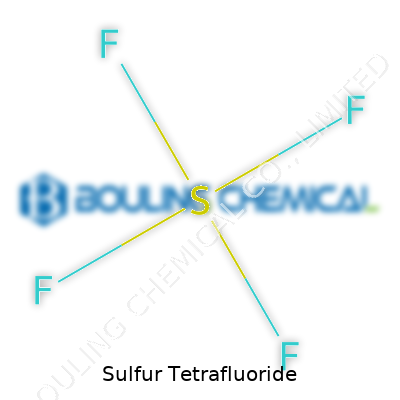
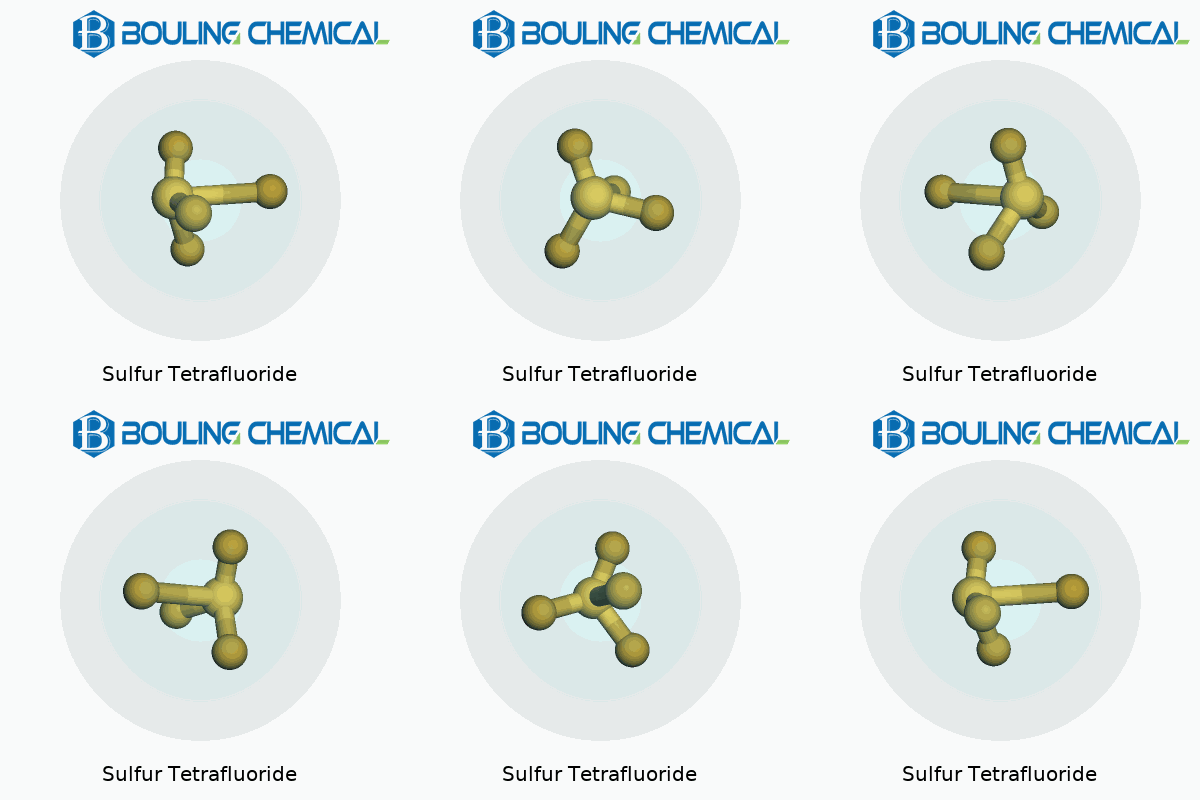
I remember staring at the formula SF4 in a crowded lecture hall, wondering what separates this compound from the long names and confusing structures we hashed out in organic chemistry. At its core, SF4—sulfur tetrafluoride—comes down to one sulfur atom hooked up with four fluorine atoms. Pretty straightforward, but far from ordinary. The molecular weight checks out at about 108.06 grams per mole. This weight and structure aren’t just trivia for the next science quiz—they shape how this gas behaves in the lab, industrial sites, and, in some cases, out in our world.
Sulfur tetrafluoride doesn’t have the popular image of something like table salt, but it plays a big role in making products that touch daily life. SF4 steps up as a go-to tool for tweaking organic molecules, usually swapping out oxygen atoms for fluorine while leaving carbon frameworks mostly untouched. This swap matters because fluorinated compounds hold up against heat and chemicals, helping build everything from drugs to fire-resistant coatings.
Adding fluorine can make medicine work better or last longer in the body. SF4 acts as a bridge for some of those changes. Drug companies and chemists don’t just pick SF4 for kicks—they turn to it for the results. Things work faster, yields rise, and the chemistry can get cleaner and more predictable. If you’ve ever taken a medicine that handles tough stomach acid, SF4 might be behind its strength.
Here’s where my respect for the periodic table meets a dose of caution. Sulfur tetrafluoride gas brings a punch. Exposing skin or lungs to it isn’t just unpleasant; you could end up seriously hurt. SF4 reacts hard with water, and that includes the damp tissues in eyes or airways. If you’ve never been in a lab handling reactive gases, it’s easy to overlook the danger packed into a clear, colorless cloud. Even small leaks demand agitated attention—emergency showers, fume hoods, masks, the works.
These real risks highlight the need for skilled hands and tough regulations. The right gloves, tight-sealing valves, and airtight spaces aren’t red tape—they step in as shields between curiosity and catastrophe. Anyone thinking of cutting corners gets a harsh reminder from the harsh symptoms of exposure.
Chemists keep chasing cleaner, safer ways to bring fluorine into molecules. Some newer reagents do the job that SF4 once monopolized, sometimes with less hazard. Better methods and more honest talk about lab safety put pressure on companies to choose wisely. Still, SF4 isn’t going away tomorrow. Its unique chemistry keeps it in the toolbox for now.
Recent headlines about chemical safety keep pulling this lesson forward—smart innovation has to ride along with respect for danger. Industry leaders and educators have the chance to keep training sharp, invest in tougher containment, and push forward with research on alternatives. Looking around at the success stories—and the accidents—most chemists carry a mix of pride and wariness. SF4 brings plenty of both.
Sulfur tetrafluoride packs a punch. This gas, mostly used in chemical manufacturing, brings some baggage—its touch can ruin skin, corrode glass, and its fumes wrench lungs. For those who’ve worked around SF4, respect for its quirks comes naturally. I’ve seen the aftermath of a tiny leak: acrid smells, scorched metal fittings, and one coworker who ended up in the clinic. That day, we all learned storing this stuff demands real attention.
Some folks think chemical storage means shelving drums in a shed. With SF4, that approach courts disaster. Any spot for this gas needs to keep moisture out. The moment water sneaks in, hydrofluoric acid forms, and that’s a nightmare for skin, eyes, and lungs. Steel cylinders with tight, robust valves offer real peace of mind—nothing fancy, just gear proven to stop leaks and shrug off corrosion.
It’s easy to overlook ventilation, too. My early days in a plant taught me the value of a simple air-handling system. An old vent hood saved us once: a cylinder valve seized and we opened it in a fume hood. The cloud it spat out vanished up the stack. If that vent hadn’t worked, things could have turned ugly. SF4 lingers lower to the ground than many expect, so storage rooms must breathe. Relying on open windows or regular HVAC won’t do—dedicated extraction fans cost more, but seeing how quickly fumes can settle and spread, skipping this step is not an option.
Storing SF4 isn’t a chore checked off a list. Even the best-sealed cylinder must stay upright and chained. I learned the value of this after hearing stories from colleagues—one unchained tank tipped during a mild earthquake, valve snapped, and the emergency shutoff made all the difference. Today, my rule is: every tank stays secured, and everyone on shift knows how to spot leaks.
Personal protection isn’t negotiable, either. No one opens storage—even to check gauges—without gloves, goggles, and a respirator standing by. In practice, these habits turn into a culture, not a checklist. Good maintenance keeps small problems from blooming. The plant I worked in ran monthly leak tests and replaced cylinder valves every two years. That investment paid off, since chemical cleanup is far costlier than plain upkeep.
Compliance gives storage an extra layer of care. Regulations might feel like a pain, but they exist for a reason. Regulatory bodies push for segregation of incompatible materials—keeping SF4 away from water and acids. Regular training and drills drive home what to do if storage fails. One drill I led, the panic felt real: alarms blared, everyone donned gear, and we practiced shutting down valves as a team. Those practice runs paid off during a real incident, turning a near-miss into a story rather than a tragedy.
People often look for shortcuts and clever tools. In practice, common sense drives the best storage of SF4: dry, well-ventilated spaces, solid containment, clear labeling, and regular checks. Skipping any step, just once, can lead to severe consequences, both for workers and anyone downstream. Investing in good habits, backed up by thoughtful policies, keeps accidents rare.
Growing up around a chemical plant gave me a front-row seat to the awkward dance workers perform when safety meets production. People talk about personal protective equipment like it’s a superhero cape, but most of the time, it’s duct-taped boots and fogged-up goggles. Sulfur tetrafluoride, for folks who haven’t run into it, isn’t exactly a household villain, but its hazards deserve real talk, not just another line in a manual.
Sulfur tetrafluoride isn’t something you want hanging around. It’s a clear, suffocating gas that goes after your lungs and eyes before your brain catches up. Inhalation attacks soft tissue in the respiratory tract, leading to coughing, shortness of breath, and a throat that feels lined with sandpaper. Severe exposure turns more sinister—pulmonary edema doesn’t sound like much, but it means your lungs start filling with fluid. Eyes sting, water, and vision goes blurry fast. Skin contact leaves burns, which surprise many, since the stuff looks harmless as air.
Most alarming, sulfur tetrafluoride breaks down into HF—hydrogen fluoride—when it meets water, like sweat or tears. HF brings a new set of dangers: deep tissue damage and cardiovascular problems. Regular training drills can’t fully prepare workers for the panic that sets in once exposure happens, especially when standard respirators or gloves might leak at the seams.
The advice in safety bulletins doesn’t match the chaos in a real emergency. In the plant, we had first-aid kits with everything from eye wash bottles to extra clothes, but proper use only came from practiced hands. Splash some clean water on affected skin right away—in fact, strip off contaminated clothing fast, no modesty allowed. For eyes, even ten seconds can be the difference between irritation and permanent damage; flush continuously at an eyewash station for no less than 15 minutes.
Breathing in the gas? Move outside before thinking twice, then give high-flow oxygen if you have it and know what you’re doing. Panic makes most people freeze, so drills need to go beyond box-ticking exercises—people must learn to protect themselves first before helping a co-worker. See a doctor immediately, even if you think the exposure was minor. The hidden burns from HF can sneak up and worsen without noticeable pain at first.
It’s tempting to rely on warning labels and hands-off policies, yet accidents still slip through. I’ve watched corners get cut on ventilation systems and heard stories about old gas detectors that failed. Employers need to invest in proper engineering controls and regular maintenance, not just stockpile safety data sheets for inspections. Medical teams on-site with real emergency training—not just an EMT on call—would save more lives than another round of online safety videos.
Encouraging a culture where workers point out broken seals or malfunctioning gear without fear beats any punishment-driven rulebook. The folks in the plant line up every morning with more practical know-how than most textbooks. Listen to those voices. Sulfur tetrafluoride won’t show mercy, and neither should workplace safety protocols.