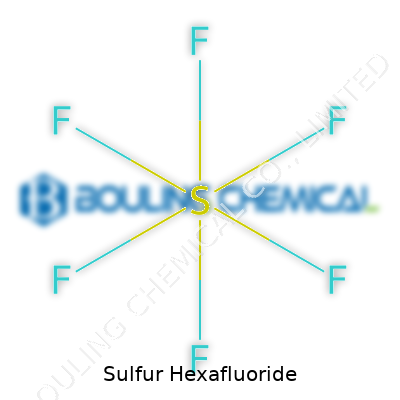
Sulfur hexafluoride first appeared in chemical journals in the early 20th century, a time when chemists felt both excitement and caution about working with new compounds. The formula, SF6, caught attention mainly because of its stability and intriguing inertness. The years rolled on, and large-scale production arrived, fueled largely by the spread of electricity grids and the hunger for safer, more reliable insulation gases. In those days, accident after accident forced engineers to reconsider the flammability and danger that older dielectric gases like oil or air presented. People at the time probably hoped they had found a “forever gas” that simply stayed where they put it, unreactive and nonflammable. That sense of invulnerability has now become part of the problem.
SF6 stands out for its stability, density, and capacity to smother electrical arcs. In plain sight, it appears colorless and odorless, giving users little warning of its presence. As a gas, it behaves in strange ways: much heavier than air, it pools in low-lying spaces and lingers with almost obstinate persistence. The chemical bonds in SF6 refuse to break under most common Earthly conditions—lightning, sparks, and even heat rarely budge it. What surprises many is how inert the molecule seems, yet hides some of the most jarring side effects for our atmosphere.
Walk past most high-voltage substations, and there’s a good chance SF6 hums quietly just behind the fence lines and humming boxes. For decades, engineers in the power business called it a game-changer. Here’s why: Arc-quenching in circuit breakers needs something that simply won’t burn, won’t conduct electricity when cold, and won’t mix with water or other gasses at standard operating pressures. SF6 ticks all those boxes, leading to equipment that lasts longer and fails less often. Laboratory workers with their own SF6 stories tell about filling large demonstration balloons to expose its density or using it to detect leaks in vacuum systems. Everything stays safe, as long as the gas remains exactly where intended and users remember why it has to be handled with respect.
Chemists prepare SF6 by burning elemental sulfur in a stream of fluorine gas. It sounds simple, but both elements bring high risks. Sulfur can burn fiercely, and fluorine stands among the most reactive elements anyone ever tried to contain. It took more than a little trial and error to standardize safe preparation and scale up production, and workers earned hard-won respect for the protective gear needed. Any lab student can tell you that direct exposure to fluorine or its compounds promises health consequences far beyond a bad-smelling day. Factories learned to keep the whole operation under strict watchfulness, not relying only on automated controls but also making sure trained people understand what could go wrong if systems fail.
SF6 laughs at many chemical threats that would demolish lesser molecules. It shrugs off acids and bases under normal conditions, hardly interacts with organic compounds, and sails through high voltages almost unchanged. That’s why it’s an insulator in switchgear and as a tracer gas for plumbing leaks or atmospheric studies. But break the molecular bonds—through intense electric arcs, by reaction with molten metals, or in partial discharges inside faulty transformers—and toxic byproducts show up: sulfur dioxide, disulfur decafluoride, and a host of other nastier compounds. Skilled technicians and those who repair or decommission electrical equipment have seen the results: persistent residues, health warnings, and a need for good ventilation and respiratory protection.
Later textbooks and equipment manuals might refer to sulfur hexafluoride by its CAS number, or abbreviate it to SF6 in industry shorthand. Old patents and chemical catalogs might list synonyms, but in practice most people stick to “SF6.” This gas has a reputation so distinct that even its code draws immediate recognition among power engineers, lab instructors, and environmental researchers.
For a long time, the bigger safety worry surrounded accidental exposure to high concentrations. At human scale, SF6 by itself doesn’t cause acute poisoning at low concentrations. Its main risk is oxygen displacement—enough of it can create an asphyxiation hazard, especially in low-lying spots with poor air flow. Guidelines call for proper gas detection, judicious use of fans, and clear labeling wherever large volumes might escape. Technicians learn quickly not to “try” the voice-changing trick from YouTube without attention to where the gas might flow once exhaled.
On the environmental side, the story takes a darker turn. Measurements of greenhouse potential show SF6 traps atmospheric heat at an astonishing rate—scientific studies cite numbers around 23,000 times the impact of carbon dioxide on a per-molecule basis. Even small leaks from transmission equipment over the decades have slowly added up, with more SF6 ending up in the atmosphere each year. Regulators and watchdogs began tracking these emissions, forcing companies to monitor, repair, and sometimes rethink their continued reliance on SF6-based systems. Some European countries have moved to restrict uses, or at least demand reporting and capture systems, recognizing the long-term costs that come from what once seemed a miracle material.
Power grids still use SF6 for switchgear and circuit breakers, and researchers sometimes press it into service as a tracer for tracking air movement. Atmospheric scientists cite it as a marker for ocean circulation studies, owing to its persistence and detectability in tiny amounts. Semiconductor fabrication lines use SF6 for plasma etching, where its chemical stability ironically makes it both useful and problematic. Physical demonstrations in classrooms love the way it “traps” sound or allows objects to float mysteriously atop invisible dense layers. A growing number of scientists work to measure precisely how much of it leaks, how quickly it accumulates, and how to patch up what can be called out as unnecessary losses.
Over recent years, attention has shifted from celebrating SF6 to finding practical alternatives for industrial and power transmission uses. Some research groups try new fluorinated compounds with slightly less environmental impact. Others fall back to traditional gases with new engineering twists—dry air, nitrogen, or even carbon dioxide, engineered for modern breaker designs. The choice here isn’t simply about lab numbers. Engineers and planners must weigh risk, cost, maintenance, and lifespan, knowing every option involves trade-offs. Government funding keeps flowing toward this hunt for “greener” switchgear. Industry leaders wrestle with legacy infrastructure; scrapping and replacing a nation’s worth of transformers doesn’t come cheap, nor does retraining thousands of workers.
Toxicologists point out that pure SF6 isn’t the villain directly harming people in most workplaces. The trouble appears when the gas breaks down unintentionally, or when large volumes accumulate. Combustion byproducts or reactions in faulty equipment create new chemicals, some corrosive or outright poisonous. Studies in occupational health trace respiratory irritation and chemical burns not to SF6 itself, but to these decomposition products. Regular monitoring and post-incident reviews keep workers safer, yet many contractors in the field can share stories about corners cut or near-misses.
The challenge now doesn’t lie in designing new magic molecules but in blending science with policy and plain old common sense. Rules tightening emissions monitoring, incentives for reclamation and reuse, and investments in safer alternatives represent some paths forward. Future power grids may never achieve the “perfect” insulator under all operating conditions. Yet if anything can be learned from the rise and slow reckoning with SF6, it’s that unintended consequences deserve at least as much attention as short-term innovation. The lessons here extend far past power lines or lab benches. The right mix of technical know-how, honest risk assessment, and willingness to revisit industry habits can steer big industries toward less harmful substitutes. Those who fail to adapt—and ignore the mounting data—may find themselves swept up in regulatory changes that always lag a few years behind science but hit hard once they land.
Every once in a while, a chemical hits the spotlight not for what it does to people, but for what it does for the wiring hidden behind walls or deep inside machinery. Sulfur hexafluoride, or SF6, might not sound familiar to most, but its impact touches day-to-day life in ways most folks never consider. I remember working on a few campus maintenance projects in my early career, where electricians talked about SF6 with the same respect you’d give a power tool. That’s because in the world of electrical equipment, SF6 isn’t just helpful—it’s essential.
SF6’s claim to fame comes from its role as an insulating gas in high-voltage circuit breakers and switchgear across power stations. The stuff blocks electrical arcs and quells risky flashes better than air or oil. That lets engineers squeeze more juice through much smaller equipment. The reality? Power grids count on it to deliver electricity where folks need it, safely and efficiently, from city lights to hospital ventilators. Without this gas, those big green boxes humming on street corners would need to be much bigger, noisier, and costlier.
The more I learn about SF6, the more the environmental side of the story stands out. It’s tough to ignore its reputation as a greenhouse gas, packing thousands of times more warming power than carbon dioxide. Leaks are tough to stop—even a tiny bit lost can stick around in the atmosphere for ages. Studies show that power plants often lose measurable amounts during maintenance. Regulators in Europe and the United States have kept a close watch, demanding routine checks and punishments for careless handling.
While electric utilities make up the lion’s share of SF6 use, I’m always impressed by the little corners it fills elsewhere. Medical teams rely on it for eye surgeries, using carefully controlled SF6 bubbles to repair detached retinas. Gas companies push it through pipes to pinpoint needle-sized leaks nobody can see. Physicists fill whole rooms with SF6 to slow down electrons for complicated research, or even to demonstrate science magic tricks like making a sound drop because the gas is so dense. If you’ve ever seen a voice turn deep and rumbling after someone inhales it (don’t try this at home), it was probably SF6 at work.
Folks everywhere now want to cut greenhouse gas emissions. That's brought renewed pressure on utilities and industries to find alternatives. Some companies are switching to vacuum or new gas mixtures for switching gear. Others are capturing and recycling SF6 so it doesn’t escape after use. While there’s no magic bullet, investing in leak detection and better training matters just as much as flashy new tech. Those grounded solutions count for more than press releases.
SF6 doesn’t pop up in daily news. But anyone using a phone, flicking on a light, or popping in for a checkup at the eye doctor owes a small debt to a humble gas working quietly behind the scenes. The conversation around its use and risks deserves space across the table—not just in technical journals, but in the community and policy halls as well.
Sulfur hexafluoride seems to keep a low profile. Most folks outside electrical engineering or physics circles rarely hear about it. For a lot of us, sulfur hexafluoride popped up in high school science class, maybe in a quirky YouTube video where someone inhales the dense gas to make their voice sound comically deep. Those party tricks tend to downplay the very real issues tied to this chemical.
Let’s be honest—most people get uncomfortable dealing with gases under pressure, especially ones that sound like they belong in a sci-fi film. Sulfur hexafluoride (SF₆) is heavier than air. If you’ve ever seen a demonstration, you’ll notice it pours like invisible water. The thing nobody tells you in those viral clips is, dense gases pooled in low spaces can push out oxygen. Breathing gets tough in spots with poor ventilation. You won’t notice until dizziness, confusion, and headaches arrive. That’s the body’s quiet warning that oxygen is rushing out, even though there’s no odor or taste to tip you off.
People who deal with SF₆ in industry have learned to respect it, especially in closed spaces. It’s commonly used in high-voltage circuit breakers and switchgear because it doesn't catch fire and insulates well. That insulating power is why electric grids rely on it to keep the lights on. Still, the trouble comes from carelessness—one leak in a small room may quickly turn a work shift into a rescue operation. Air monitors and strong ventilation cut the risk, and training teaches workers not to mess around where they can’t see the invisible.
SF₆ doesn’t react much inside the body, so it isn’t “toxic” in the sense that carbon monoxide is, but the main concern is asphyxiation. Fatal accidents can and have happened when someone ends up in a storage pit or low area filled with this gas. No one realizes the danger until it’s too late. My years as a science communicator taught me that unfamiliar gases are often wrongly assumed to be safe precisely because we can't see, smell, or feel them in the air around us.
Some people still treat inhaling SF₆ for fun as a harmless prank. That misses the point: losing consciousness can sneak up on you. Children and pets fall into harm’s way fast, because the gas settles on the floor. Even professional stunt people take strict precautions where SF₆ is concerned.
Beyond immediate hazards, SF₆ brings a problem that stretches way beyond the laboratory or power station. This gas packs a global warming punch more than 20,000 times that of carbon dioxide by mass. It lingers in the atmosphere for thousands of years. Every kilogram released stacks climate change impacts for generations. The equipment leaks small amounts during maintenance and at end-of-life, so while each release seems minor, the yearly sum adds up fast.
Cutting down on accidental releases and finding alternatives isn’t just a technical issue anymore—it’s an ethical one. Big players in energy, manufacturing, and science now hunt for alternatives that don’t load future generations with climate baggage while still getting the job done. Europe already set limits on SF₆ use and started funding research into replacements. Beyond law and regulation, genuine change depends on industry leadership, public pressure, and investment in new tech.
SF₆ sits at the intersection of safety and sustainability. Downplaying the risks only undercuts the need for better practice. We need wider awareness, smarter regulation, and a human-first focus for every tool in the industrial box.
Sulfur hexafluoride, or SF6, has become an essential tool in industries like electrical engineering and medical imaging. Most folks don’t bump into it in daily life, but the consequences of poor storage ripple out to everyone. This gas is colorless, odorless—and good luck spotting a leak without specialized tools. Trouble compounds because it’s a greenhouse gas thousands of times more potent than carbon dioxide. Even a small, unnoticed release pushes us in the wrong direction on climate. Those risks make careful handling a social responsibility, not just a technical detail.
I once toured a power substation where a storage practice nearly put workers in harm’s way. Someone left a valve unmonitored and a small leak developed; even with proper ventilation, an enclosed room filled with heavier-than-air gas becomes a danger zone fast. If facilities treat SF6 like any other industrial gas, problems mount quickly—invisible leaks, environmental harm, jeopardized health.
Cylinders call for strong cages or racks and upright positioning. Keeping them out of direct sunlight and away from heat sources isn’t a luxury but a basic step. Pressure and temperature swings affect the gas’s stability. Someone might think a cylinder on the floor won’t go anywhere, but I’ve seen the aftermath of a tank that lost its mooring and crashed through a sheetrock wall. That sort of lesson doesn’t leave your mind.
Most accidents tie back to skipped steps or untrained staff. Think about the number of new hires cycling through utility or technical jobs who’ve never worked with compressed gases. No policy substitutes for hands-on, supervised practice. Years ago, I worked with a technician who stuck notes to every cylinder: “Is your ventilation ready? Are your sensors active?” Annoying? Maybe, until you avoid a crisis. That little bit of planning keeps people and the atmosphere safer.
If the worst does happen and SF6 leaks, the environmental bill comes due for decades. It doesn’t dissolve easily and remains in the air, trapping heat. That’s why capturing even a single leak matters. Investments in leak detectors and robust inspection schedules demonstrate respect for both the work and the wider world. I’ve seen teams use infrared cameras to check for leaks nobody could smell or see. A company that puts pride in a leak-free record stands out for the right reasons.
- Store only in well-ventilated, marked spaces, never below ground level.- Secure every cylinder against both tipping and unauthorized access.- Keep heat and ignition sources away.- Train every worker, not just once but on a routine schedule, so competence stays fresh.- Adopt leak detection technologies and track the results.- Build a culture where reporting concerns beats hiding mistakes.
Ultimately, the discipline around SF6 shapes both safety records today and environmental quality for the long haul. Reliable handling isn’t just about following rules—it’s respect in action for those who share the workspace and those inheriting the planet after us.
Sulfur hexafluoride, or SF6, stands out in the world of gases. Used in things like circuit breakers and leak detection, it sits heavy in the air and doesn't go away easily. Stories about SF6 sometimes gloss over the serious safety steps folks ought to follow. Understanding why these precautions matter comes down to the simple fact that, without them, people can run into real trouble—sometimes before they know what’s hit them.
This is a gas that feels like it breaks the usual rules. Because SF6 is so dense, it clings to low spots. In small rooms or pits, it’s easy for it to shove out the oxygen and settle in an invisible pool. There’s no odd smell, no bitter taste. A person takes a breath, thinking all is fine, and suddenly finds out the room’s air isn’t what they expected. That’s led to a few scary stories I’ve heard from electricians and lab workers who thought a simple job would turn out routine.
Some folks open a window and call it a day, but the truth is, proper ventilation often makes the difference between a safe workplace and an ER visit. I’ve worked in labs where special exhaust fans run any time SF6 might escape. Fans at ground level pull the gas out, not just from up high. Relying on old habits or shortcuts isn’t enough—using meters to actually check the air keeps people honest and alive. Air monitors that sniff out low oxygen or rising SF6 aren’t just gadgets; they’re what keeps everyone from learning about the risks firsthand.
Handling SF6 takes more than sturdy gloves and goggles. Fittings, valves, and tanks all need regular checks. I’ve seen jobs slow down when a team finds a cracked valve or a leaky hose, but slogging through those extra steps means no unexpected leaks or emergencies. Training pays off; folks who know their gear won’t freeze up or panic if they spot a vapor cloud or hear a hiss. In the real world, mistakes never wait for a convenient moment.
Storing SF6 isn’t as simple as tucking it in a closet. Cylinders need steady supports and should never roll free. Labeling sounds dull, yet it saves precious seconds for emergency crews or anyone trying to grab the right tank in a hurry. Even moving cylinders from storage to work should involve carts or cradles. Uproar has followed accidents where bottles tipped and let loose a cloud that displaced all the air in a room, showing why being casual isn’t an option.
People ask if it’s possible to cut SF6 risk to zero. The honest answer: every layer of protection adds a little extra safety, but nothing replaces good habits and people looking out for each other. Keeping up with regulations and new tech makes a difference. Some companies have swapped to alternatives in low-risk spots or taken extra steps to capture every trace of escaped gas. Those moves don’t get in the way of a job. They make sure everyone goes home at the end of the day, with no surprises.
Sulfur hexafluoride, or SF6, keeps things running in places people never think about. Places like power substations, circuit breakers, and other electrical systems rely on this man-made gas for its unbeatable properties. SF6 doesn’t catch fire, does not wear out quickly, and handles voltage spikes better than anything else out there. This isn’t some distant industrial issue—most folks depend on clean, steady electricity, whether they realize it or not. Working as an engineer at an energy company, I saw firsthand how often teams choose SF6 to prevent outages and keep the lights on during storms.
On the environmental front, SF6 throws a tough punch. According to the Intergovernmental Panel on Climate Change, a single molecule of this stuff traps heat about 23,500 times better than the same amount of carbon dioxide over a 100-year period. Once released, it stays in the air for more than three thousand years. That means even a tiny leak from old equipment or a careless refill leaves a legacy that sticks around longer than any human-built structure.
Numbers don’t lie. Several countries, including the US, China, and EU states, report thousands of tons of SF6 emissions each year. That may sound small in the grand scheme, but every ton packs a major climate punch. In the UK, data from the Environment Agency shows energy suppliers admit their SF6 use accounts for more than 1% of the country’s total greenhouse gases. Every year, that adds up to the emissions of tens of thousands of cars.
You won’t find many easy swaps for SF6. For decades, companies kept using it because it works so well for electrical safety. Equipment designers built entire systems around its reliability. Switching away isn’t as quick as flipping a switch; it means re-engineering everything from the ground up. Grid operators worry about outages if they rush into untested alternatives or let emissions rules get stricter before real substitutes appear.
Personal experience tells me why shift feels slow. Field engineers carry heavy responsibility. Asking them to try out new tech can make them nervous, especially if the new gas costs more or doesn’t fit into existing gear. For many, “if it isn’t broken, don’t fix it” rings true until the risks build up past the comfort zone.
Some progress has begun. A few manufacturers have launched circuit breakers and gas-insulated switches using cleaner gases with much lower climate impacts. Switzerland and Germany lead the charge, piloting air-based or fluoronitrile-based blends. If these early projects scale up, they could cut emissions from new gear drastically within a decade.
It helps to make tracking leaks and reporting them a standard part of maintenance. In my time in the field, I saw active monitoring tools stop unnoticed leaks before they turned into headline-making spills. Setting up rules for careful handling, reclamation, and recycling keeps old gas out of the open air. Policymakers who bring together industry experts, researchers, and regulators get closer to real progress by focusing on both practical and long-term solutions.
The climate can’t absorb any more big surprises. Cutting down SF6 leaks won’t fix everything, but it’s a step toward cleaner air and a more responsible grid. Change starts on the ground, in real substations, with techs using better tools and management making bolder choices.