People have worked with iodomethane for well over a century, and its story weaves through both scientific curiosity and practical chemistry. In the mid-19th century, chemists first isolated and described it, probably more out of an urge to play with iodine and methyl groups than for any planned industrial use. The compound turned up as early organic chemists, such as Robert Bunsen and August Wilhelm von Hofmann, experimented with halogenated hydrocarbons to understand their reactivity. As time moved forward, researchers found more structured ways to produce it, learning to control yields and purity. Today, most of what comes from labs and chemical plants follows paths set out by these early pioneers, updated with better equipment and improved safety awareness.
Iodomethane, also known as methyl iodide, is a colorless liquid with a distinctive smell that tends to darken as it gets older. Chemists like myself have always found its compact and reactive structure appealing, and it plays a unique role in synthesis work. Unlike more familiar chemicals that can appear all over the household, iodomethane sits squarely in the domain of the chemistry lab. Used both as a methylating agent and in a handful of specialized industrial processes, its significance far outpaces the modest volume produced compared to giants like ethanol or acetic acid.
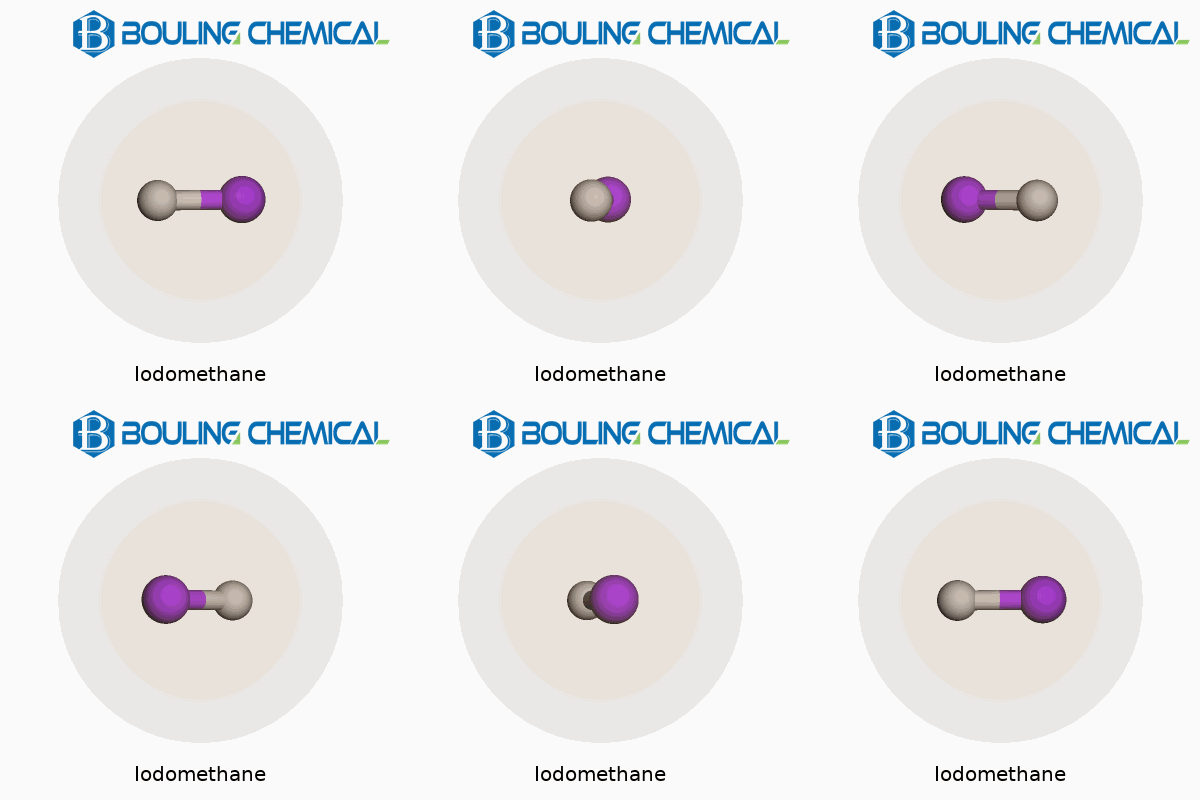
The stuff boils not far above room temperature, and it evaporates quickly from an open container. It feels slick between the fingers—though touching it is not recommended. The molecule itself, CH3I, pairs a methyl group with a heavy iodine atom, making it denser than water. Pure iodomethane looks clear but starts to brown under light, thanks to iodine splitting away. This process gives a clue about one of the headaches of using it: you have to store it in the dark, away from moisture and air, since its chemical stability only lasts as long as you keep it away from triggers for decomposition.
Out in the world, labels usually emphasize the hazards and required handling practices, and there’s a good reason for that. Bottles arrive with warnings about toxicity, volatility, and environmental impact. Purity grades for iodomethane are set based on the intended application, with research-grade offering higher standards for trace contaminants. Anyone who has worked with it in a lab remembers seeing the pictograms and reading the stark phrases—there’s no downplaying the respect this chemical demands. Accurate technical information isn’t just for following rules; it protects the user and the people working nearby.
Most industrial and lab syntheses rely on the reaction between methanol and iodine, often using red phosphorus or silver salts as catalysts. Some older methods run through methylation of potassium iodide with dimethyl sulfate, but these are less common now because of the dangers involved and tighter regulations. In the lab, I’ve watched simple reflux setups generate it from methanol, concentrated sulfuric acid, and potassium iodide—a practical, messy, and unmistakable demonstration of sulfur chemistry and nucleophilic substitution. The method you pick depends on the scale, available resources, and acceptable levels of impurity.
Iodomethane isn’t famous for sitting quietly in a bottle. It acts aggressively as a methyl donor, and that's its primary appeal in synthesis. Many organic chemists reach for iodomethane when looking to introduce a methyl group onto a wider variety of molecules. Nucleophilic substitution reactions, especially with amines or thiols, proceed quickly and often with high yield. In the presence of strong bases, it methylates acidic protons efficiently. It also participates in some metal-catalyzed couplings, such as those in organometallic frameworks, where the iodine serves as a good leaving group. The compound’s reactivity underpins a lot of creativity in organic synthesis, but this also means it requires careful planning to keep things safe and controlled.
You may hear it called methyl iodide, or see it listed by its chemical formula CH3I. Those working in agriculture or pest control might recognize older trade names from when the compound saw use as a soil fumigant. In recent years, the tide turned due to mounting health concerns, so regulatory agencies now tighten the rules, but the old labels still pop up in older scientific and patents literature.
More than a few people in chemistry have stories about iodomethane that range from mild headaches to severe exposures. The compound crosses skin and mucous membranes rapidly, so gloves, goggles, and fume hoods are mandatory. Breathing vapors can cause symptoms ranging from dizziness to coughs and more serious neurological problems. Because it can be absorbed through the skin and lungs, everyone who works with it learns not to cut corners with safety procedures. Spills require quick, methodical cleanup. Regulatory limits on exposure guide everything from storage to waste disposal. Many institutions now review procedures rigorously and update protocols year by year as new data arrives. These aren’t just bureaucratic hoops—they reflect a growing understanding of the real risks to lab workers and the environment.
Chemists working with pharmaceuticals, agricultural chemicals, and materials science all find uses for iodomethane. In pharmaceuticals, it remains a critical tool for attaching methyl groups to sensitive molecules. Even a small methyl group can dramatically change the biological activity of a drug candidate, which underscores the compound’s ongoing importance. For a time, iodomethane appeared in soil fumigation, exploiting its ability to knock out a wide spectrum of pests, nematodes, and weed seeds. Growing concern for health and safety, along with regulatory shifts, dramatically shrank this use, particularly as better or safer alternatives emerged. The chemistry profession relies heavily on this compound for research-scale transformations, which keeps it a staple in bench chemistry, even as society continues to narrow its allowed uses in agriculture.
Research around iodomethane continues to find new avenues. Green chemistry initiatives push for alternatives that provide the same synthetic power with less environmental fallout. Safer methylating agents, advanced containment, and improved disposal techniques are popular topics for research groups. Some focus on modifying iodomethane’s reactivity profile, aiming to reduce side reactions and improve efficiency. In the pharmaceutical sector, studies sometimes revisit classic methylation reactions to better understand the influence these steps have on drug behavior, pharmacokinetics, or toxicity. Research isn’t just about the chemistry—the drive for better risk assessment and personal protection also leads to innovation, from engineered hood designs to improved chemical sensors. For many labs, the aim is to keep using powerful reagents like iodomethane while reducing the burden they impose on workers and the environment.
Iodomethane’s toxicity has spurred extensive study on both acute and long-term effects. Scientists found early on that exposure produces symptoms from mild nerve irritation to severe organ damage, affecting humans and animals alike. It’s now classified as a possible human carcinogen, which changed attitudes and led to stricter controls. Studies track not only immediate symptoms but also subtle risks, such as DNA damage or reproductive harm. Regulatory agencies stay tuned in to new evidence, ready to change standards if new risks come to light. The history of methyl iodide in soil fumigation reminds us how easily high-volume use can spread exposure well beyond lab walls. Risk assessments continue to develop, often using data from laboratory animals or workers with documented exposures. This body of research points the direction for safer handling and, just as crucially, for developing smarter alternatives.
Looking forward, the story of iodomethane will likely include both gradual decline and continued reinvention. Its reactivity ensures a persistent presence in organic synthesis, especially where few alternatives measure up. Still, pressure from safety, environmental, and health advocates keeps driving the industry to refine handling, reduce volumes, and ultimately pivot toward substitutes for most uses outside the lab. For research chemists, training in safer practices and real-time monitoring technology marks a path toward reducing risk. For regulators and environmental scientists, the goal centers on closing gaps in waste management and tracking the fates of even small spills. The challenge is to balance scientific utility with responsibility, keeping one eye on innovation and another on the lessons learned across decades of discovery and exposure.
Iodomethane, or methyl iodide, carries a legacy in both chemistry labs and crop fields. Old textbooks describe it as a pretty straightforward chemical, but in real life, its story brings up all sorts of questions about the balance between progress and safety. As someone who’s worked with growers, researchers, and curious chemistry students, I’ve seen both the promise and the pitfalls of this compound.
People use iodomethane most notably as a soil fumigant. Certain pests and diseases, like nematodes and fungal spores, threaten a lot of what’s grown in the ground before it ever reaches a grocery shelf. I’ve spent time in vegetable-growing regions where losing a crop to soil-borne threats can break a farm in a season. For years, methyl bromide filled this job, but it chews away at the ozone layer. Iodomethane came in as a possible substitute, touted as less destructive up above the clouds but strong enough to keep many pests at bay down below.
Iodomethane’s quick breakdown in the environment appealed to regulators looking for options after methyl bromide fell out of favor. It’s quick to act and doesn’t linger forever. But the relief didn’t last long. The chemical’s volatility means it moves easily through air and soil, and that’s where the problems start. It’s known to irritate the eyes, skin, and lungs. Long-term exposure can bring worse consequences, including neurological effects and an increased cancer risk, according to the US Environmental Protection Agency and peer-reviewed journals.
I remember a conversation with a farmworker who once handled treated fields before the waiting period ended. The headache and nausea stuck around far longer than any benefit the chemical offered. That real-world consequence shifted the way I thought about these so-called “solutions.” What good is a tool if the risk outweighs the reward?
Chemists appreciate iodomethane for another reason: its knack for transferring a methyl group to all sorts of molecules. In organic synthesis labs, you’ll find this chemical teaching students about carbon bonds or helping researchers whip up entirely new compounds. I’ve watched professors light up describing a tricky methylation step that used iodomethane to push their research forward. At the bench, strict ventilation and gloves keep risk at bay. The controlled environment makes exposure rare. Out in the open, though, the story changes.
The EPA pulled agricultural approval for iodomethane in the United States a while back, after enough scientists, community advocates, and farm families raised alarm bells about the side effects. That move forced growers and regulators to face tough questions: How do we protect food security and keep workers safe, all while protecting the land for tomorrow’s crops?
There’s a lesson in the rise and fall of iodomethane. Shortcuts in agriculture or chemistry often tempt us with speed or convenience, but without time to see the bigger picture, they have a way of catching up. Today, researchers keep working toward alternatives—smarter biocontrols, cover crops, and less hazardous soil treatments, to name a few. In chemical labs, folks experiment with greener methylating agents to trim the danger.
Iodomethane’s journey reminds us that science sits right at the crossroads of innovation and responsibility. Each decision shapes the health of people, land, and the future harvest. That means trade-offs, and sometimes the tough choice is to leave yesterday’s quick fix behind and walk a slower, steadier path.
People working in chemistry labs or the agricultural sector know iodomethane by its other name, methyl iodide. This clear liquid earned a reputation over the years, especially as a soil fumigant and in organic synthesis. Its strong smell means few forget their first encounter. The question people keep asking is simple: how hazardous is it?
Iodomethane’s risk profile stands out. Exposure to the vapor can spark headaches, dizziness, nausea, and breathing difficulties. High concentrations may lead to slurred speech, confusion, and poor coordination. Skin and eye contact cause burns. Accidental spills in lab settings create some of the tensest moments I’ve seen, because few want to gamble with its toxicity.
The science shows iodomethane attacks the central nervous system. Inhalation or skin contact can lead to quick absorption. Overexposure has caused deaths in documented cases. The US National Toxicology Program says iodomethane is a suspected human carcinogen. Long-term health studies leave many unanswered questions, but workers handling the compound take real precautions—suits, gloves, goggles, and powerful ventilation.
The environment does not escape iodomethane’s effects. Soil fumigation was once a popular use, especially as an alternative to methyl bromide. Its ability to spread in the soil and target pests drew attention, but persistence in the environment remained a concern. Iodomethane does break down faster than methyl bromide, yet its breakdown products can still harm non-target organisms.
Aquatic wildlife faces the risk of toxicity if run-off carrying iodomethane makes it to streams or ponds. Bees and beneficial insects can suffer, too. An incident that sticks in my mind: a farmer using iodomethane saw a noticeable drop in pollinator activity in his fields for weeks following treatment. This kind of evidence warns of unintended effects, even when the main goal is crop protection.
Regulators worldwide recognized these risks. The United States Environmental Protection Agency reviewed iodomethane, imposing strict usage guidelines and requiring buffer zones. Still, mounting concerns from health experts and farmworker advocates led to its producers voluntarily withdrawing it from the US market.
Other countries followed suit or imposed their own restrictions. The pattern is familiar: when evidence of harm catches up with a product’s widespread use, tougher questions get raised. Authorities don’t always wait for absolute proof before taking action anymore. Public health and safety receives greater weight, even if it means abandoning once-promising chemicals.
Today, many labs and farms seek safer alternatives. Control methods for soil pests now mix biology, chemistry, and smarter practices—a little less reliance on powerful, broad-spectrum chemicals like iodomethane. This shift did not come overnight. Protective measures like fume hoods, personal protective equipment, and training for laboratory workers matter more than ever. Many organizations now stress substitution and process changes to cut out risk at the source.
Direct experience and evolving science keep pushing people to ask tough questions about the balance between usefulness and hazard. Iodomethane’s legacy shows that just because something works doesn’t mean it comes without price. Safety belongs at the core of chemistry and agriculture, no matter how promising a tool appears at the start.
I’ve always respected chemicals that come with a reputation, and iodomethane earns that respect fast. Used in labs and some farm settings, this compound does its job in synthesis and pest control. But behind the scenes, working with iodomethane means putting safety first every single time.
Iodomethane may look like an ordinary liquid, but the risks go far beyond a bad smell. Exposure can mess with your nervous system, irritate your lungs, and hurt your skin. It soaks in through gloves that are too thin or the tiniest leaks in a bottle cap. A friend once got a minor splash on his hand, shrugged it off, and ended up with red, itchy skin and a lingering headache. The lesson: this chemical calls for respect, not shortcuts.
Put iodomethane near light or in a warm spot, and trouble starts. It can break down, form pressure in bottles, and lose its punch for experiments. At my lab, the protocol was simple: store it in a tightly sealed amber glass bottle, inside a fridge set aside only for chemicals. No food, no drinks—just chemicals. That way, even if a bottle leaks, nobody gets an unwelcome surprise. We never kept it next to acids or bases, since nasty reactions can happen.
Fume hoods save lives. Every time I poured or transferred iodomethane, I worked with the sash low, fans humming. Good ventilation keeps vapors away from your face and lungs. Routine gloves won’t cut it; those made for organic solvents stand up better. Splash goggles and lab coats aren’t for show—they’re the difference between a clean day’s work and a trip to the nurse.
Accidents can still happen. Even skilled chemists sometimes fumble a cap or let a drop slip, but keeping baking soda or another spill-control kit nearby always helped me handle a small mess before it became a big emergency. Waste went straight to a sealed, clearly labeled container, never down the drain or in the trash. I watched a coworker nearly pay the price for a lapse when he set an uncapped flask aside “just for a minute.” Never worth the risk.
One overlooked secret to real safety lies in regular training. New students in my lab didn’t get to touch iodomethane until they’d gone through drills, read the real-world stories of accidents, and practiced with less dangerous stand-ins first. That practical training set habits for life and gave everyone the confidence to speak up if something didn’t look right.
Reducing hazards comes down to details. Chemical storage areas need strong ventilation, clear labels, and no crowding. No one should ever work with iodomethane alone—having a buddy around makes it easier to get help fast if needed. Careful management isn’t overkill. It keeps researchers and farm workers healthy, projects moving, and everyone’s peace of mind intact. By staying grounded in real experience and practical steps, we look out for each other and make smart science possible.
Few things send a stronger warning in a chemistry lab than iodomethane. In my early days handling volatile chemicals, seasoned researchers drummed a lesson into my head—treat every drop with respect. Iodomethane isn’t just another solvent to whisk away down the drain or leave uncapped. The faint, almost sweet odor is tricky; just because you can’t smell it doesn’t mean the air is safe. Inhaling too much can bring on headaches and nausea. Chronic exposure in some cases has shown effects on the nervous system, even kidney and liver health.
I remember walking into a chemistry prep room and catching sight of a barely visible vapor wafting up from a mislabeled flask. That sight forced an immediate evacuation. Anyone who’s ever seen liquid iodomethane turn into a cloud knows how quickly things can go sideways. A basic rule in our group was always using a certified fume hood, ever since the day we caught a whiff outside the shielded glass and got a warning from the safety officer.
Gloves, goggles, and lab coats aren’t just “nice to have” in this setting—they’re your basic line of defense. Latex gloves won’t cut it for everything, but nitrile or neoprene types stand up better to iodomethane. We tossed gloves after every use instead of risking cross-contamination on doorknobs, notes, or computer keyboards.
I’ve seen researchers, driven by habit or cost-cutting, skip respirators or ignore spill kits. One slip-up led to a painful lesson: a tiny spill seeped into a lab notebook, contaminating anything touched for the rest of the day. Quick access to eyewash stations and showers made a difference that afternoon. Labs storing bigger volumes of iodomethane needed special ventilation—they kept stock bottles in vapor-tight containers, away from any direct sunlight or sources of heat to slow down decomposition.
Reports show iodomethane causes skin irritation and may even be a likely carcinogen. There’s a documented case from a research institute where improper storage led to a cracked bottle. The slow leak didn’t set off alarms, but some staff dealt with recurring dizziness until the source was found. Since then, our team double-checked inventory against the safety data sheet, never leaving chemicals beyond their recommended shelf life.
I learned over time that clear safety signs and open communication do more for lab morale than any new gadget. Our safest semesters followed sessions where everyone practiced emergency response drills—not just reading instructions, but working through spills with actual neutralizer and PPE. That hands-on approach proved invaluable.
There’s ongoing work to replace iodomethane in some applications, especially in agriculture, thanks to health and environmental concerns. Something as simple as switching to less hazardous alkylating agents in research labs can lower risks. Raising awareness about proper disposal—putting waste in clearly labeled, sealed containers—may not sound revolutionary but reduces accidental exposure across the board.
Looking back, nobody in my circle ever wished they’d been less cautious around iodomethane. Respect, routine, and clear education beat shortcuts every time, both for newcomers and old hands.
Iodomethane, known in labs as methyl iodide, has been hanging around labs and fields for decades. The way it looks and acts—sharp smell, heavy vapor—sets it apart from the more common lab solvents. Clear and colorless, this liquid packs quite a punch by just being what it is: a simple carbon atom, three hydrogens, and a chunky iodine. That single iodine changes everything. You notice it right away if you ever work with it. The bottle feels heavier than you’d expect for something so small, and a whiff can’t be forgotten easily. I’ve seen many new researchers step back after their first encounter with its fumes, and for good reason: it’s not just the odor, but a sense that it doesn’t play around.
Chemically, iodomethane’s reactivity roots itself in that carbon-iodine bond. The bond makes a tempting target for reactions, so you find iodomethane showing up in organic synthesis. It slips its iodine for a variety of other atoms with almost reckless eagerness, turning it into a favorite for methylation. That willingness to react also causes headaches for anyone handling it, since storage calls for real diligence—cool, dark places and airtight bottles. Sunlight or heat pushes it to break down, and nobody wants unexpected iodine fumes in a storage room.
My experience in chemistry labs gave me an up-close view of the risks. Even with gloves and fume hoods, you realize there’s no room for mistakes. Breathing much of it can cause more than just a headache; long-term exposure brings risks no one should ignore. Reports link it to nervous system effects, and it has raised concerns about possible carcinogenicity. For agriculture, iodomethane turns up as a soil fumigant, stepping in for more notorious chemicals like methyl bromide. That swap came with hope but landed wet, as environmental regulators started noticing its persistence and tendency to drift off fields, affecting workers and others nearby. California and several other regions didn’t let it stick around for long.
Responsible handling feels essential. Chemistry students hear this in every safety lecture, but iodomethane raises the bar. Relying on proper training, solid equipment, and well-aired workspaces keeps trouble at bay. Labs have started using less hazardous methylating agents when possible, and I’ve watched groups trade in years of habit for safer approaches. The shift isn’t always easy, since iodomethane’s efficiency has few rivals, but prevention outweighs speed.
For farms, the path gets trickier. Without a magic bullet, many growers use soil treatments that balance effectiveness with fewer risks. It takes research, trial runs, and openness to newer tools. Agencies carry the job of checking residue levels and drift, but everyone wins when growers and field workers speak up about real conditions—something I’ve seen unfold in community meetings in agricultural regions.
Iodomethane’s story isn’t just chemistry. It’s about respect for the powers locked inside even the smallest molecules, a lesson that crosses from lab benches to crop fields. The need for safer, kinder methods in synthesis and farming drives ongoing research. Watching chemists hunt for ‘greener’ paths while still solving tough problems, I see a quiet optimism: knowledge keeps building, risks get smaller, and maybe those bottles of iodomethane won’t always be needed in the back cabinet.