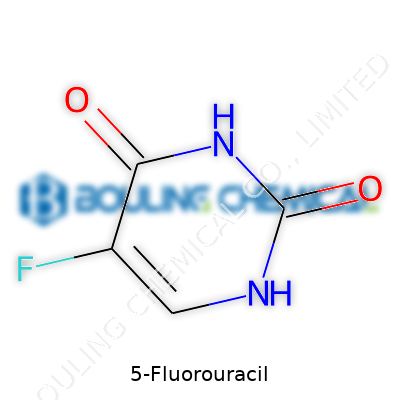
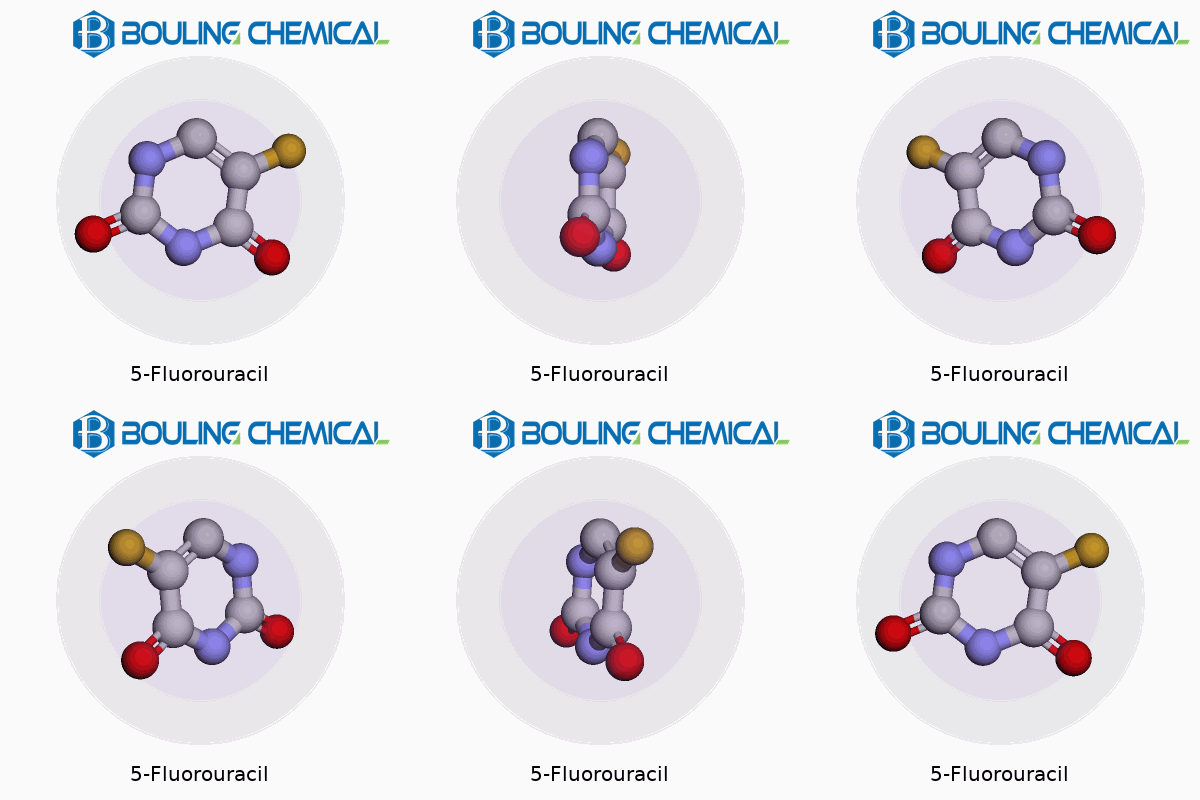
5-Fluorouracil (often called 5-FU by oncologists and pharmacists) brings a heavy dose of history with every vial. Born out of the burst of postwar medicinal chemistry, 5-FU came from the simple, clever idea that tweaking the very building blocks of DNA and RNA could disrupt cancer cells’ relentless drive to multiply. Yale’s Charles Heidelberger led the team in the mid-1950s, and their success wasn’t just luck. They had a hunch — since cancer cells cause runaway growth, they might be tricked by swapping out a natural nucleobase for an impostor. Uracil, a basic piece of RNA, gained a single fluorine atom, and suddenly, medicine had 5-FU. Chemotherapy changed hard in the decade after its discovery, and patients with some of the toughest cancers—colorectal, breast, head and neck—received new hope. I think about how before drugs like this, options were just as often pain and prayer as real treatment. Today, even with targeted drugs and immunotherapies, 5-FU hasn’t faded into the background. Generations of cancer doctors still reach for it, either alone or as an anchor in stronger combinations.
Considered a classic antimetabolite, 5-Fluorouracil interrupts the machinery that builds and repairs DNA and RNA. Its design lets it sneak into biochemical pathways, spinning molecular chaos that tumor cells can’t escape. Hospitals carry it as both an injectable solution and as a topical cream, since solid tumors and even severe skin conditions like actinic keratosis can face the 5-FU attack. The legacy of oral fluoropyrimidines, like capecitabine, started with 5-FU at the foundation. In many treatment centers, 5-FU’s role remains vital—not despite newer drugs but because of clinical results and experience built over decades.
5-Fluorouracil is a small molecule and doesn’t care for glitz—its white, crystalline powder looks much like many other chemotherapeutics. It dissolves a bit reluctantly in water and much better in alkaline solutions. As a fluorinated pyrimidine, it fits neatly in biological spaces, helping it dodge the enzymes that would otherwise chew it up. With a melting point above 280°C, it stays solid at room temperature and resists mild heat. That’s not what sets it apart, though. Its uniqueness lies in the fluorine substituent—one small atomic change, crafted with the precision chemists love but cancer cells despise.
Walk into any oncology pharmacy, and the 5-FU labels almost always trumpet the same information: strength (often 500 mg per vial for injection), concentrated for intravenous use, and usually diluted before being administered through either rapid bolus or prolonged infusion. For topical use, tubes advertise strengths anywhere from 1% to 5%. The label shouts a warning to avoid accidental exposure and always mentions cytotoxic hazard procedures. In many regions, drugs like 5-FU receive extra scrutiny—more than blood pressure pills or antibiotics. Clear, bold, sometimes red-letter warnings about safe handling, expiry dates, and chemical stability decorate every bottle and package.
The core process to get 5-Fluorouracil from lab to vial centers around halogenation—a neat bit of synthetic chemistry. Most industrial manufacturers start from barbituric acid or uracil, then bring in a fluorinating reagent to replace a hydrogen atom in that familiar ring with a fluorine atom. This approach usually involves sequential reactions, purification steps, and crystallization to produce high-purity 5-FU. Over time, refinements made production less expensive, cleaner, and safer. That said, none of that chemistry matters if there’s a mistake in sterile preparation; practitioners must use isolated hoods, proper gloves, and double-checks to reduce risk both for patient and staff, reflecting what I have seen in hospital compounding pharmacies.
Chemists keep finding ways to tweak 5-FU, both to make it less toxic and to sharpen its tumor-killing effect. Modern derivatives like tegafur, carmofur, and capecitabine stem from efforts to make oral treatment a reality. In the human body, these precursors break down to release 5-FU slowly, offering a more tolerable alternative for some patients. Direct modifications to the molecule open doors to new metabolic fates, longer-lasting action, or different toxicity profiles. Reactions with other nucleophiles, attempts to form co-crystals, and prodrug strategies occupy endless research hours. Each step pushes cancer therapy forward but rarely erases the original’s legacy.
5-Fluorouracil earned a long list of alternative names. In medical texts and pharmacy references, it can show up as 5-FU, fluorouracil, fluoroplex, or Efudex (especially for the skin cream form). Research papers have used designations like NSC-19893 and names derived from its chemical structure, such as 2,4-dihydroxy-5-fluoropyrimidine. Regardless of the name, what matters is the recognition and careful handling that come from decades of stories and scientific trial.
Nobody can ignore the safety concerns. 5-Fluorouracil, like many chemotherapy drugs, can be hazardous both to patients and the workers who prepare and administer it. Accidental skin contact, inhalation, or needlesticks during preparation risk causing more harm than its therapeutic benefits. Strict protocols dictate every step—from air control in hospital compounding rooms to use of double-walled transport systems and spill kits. Nurses and pharmacists rely on gown, glove, and mask standards and never let protocols slip. Years of stories about accidental exposures and documented occupational risks led to tighter rules everywhere. This vigilance has paid off, and incidents have become rare in well-run centers. On the patient side, overdose or unusual reactions cause dangerous side effects, including bone marrow suppression and life-threatening infections. Screening for the DPD enzyme deficiency helps spot those at highest risk, marking clear progress in personalizing care and improving outcomes.
5-FU remains entrenched in the toolbox for treating a wide range of cancers, especially those tough customers like colon, rectal, and some forms of gastrointestinal cancer. Surgeons and medical oncologists team up, weaving it into both preoperative and postoperative regimens. Head and neck tumors, breast cancer, and even some skin malignancies bow to its effect. It isn’t just a single-player drug—modern protocols often mix it with other agents, such as leucovorin, oxaliplatin, or irinotecan, to boost its punch. On the dermatology front, topical 5-FU creams manage precancerous and superficial skin lesions with solid clinical outcomes. Its application shows up internationally, cutting across healthcare systems and practice patterns. It is not rare to hear doctors say that their hands would feel empty during rounds without this old ally on the formulary.
Researchers refuse to stop exploring ways to harness 5-FU’s potential. Efforts focus on reducing side effects and predicting which patients will benefit most. Genetic tests—especially for DPD enzyme activity—shape more of the conversation now, personalizing care so fewer patients experience catastrophic outcomes. New formulations try to direct the drug right to the tumor, sparing healthy tissue; nanoparticles and polymer-bound 5-FU are getting attention in preclinical studies. Predicting response through liquid biopsy or molecular imaging brings more certainty to treatment planning. Scientists also look at combining 5-FU with targeted therapies, hoping synergy creates better cancer outcomes. The push for better delivery, reduced toxicity, and more effective combinations shows no sign of slowing down.
Toxicity stands out as both a challenge and a puzzle for cancer care teams. 5-FU’s main toxicities target rapidly dividing cells everywhere—not just in tumors. Bone marrow, gastrointestinal lining, hair follicles, and skin all bear the brunt. Severe diarrhea, mouth sores, and deadly infections can become reality at high doses or in susceptible patients. Deaths linked to DPD deficiency remind clinicians that genes matter; a single enzyme abnormality turns a standard dose into a lethal one. European and American guidelines now recommend pre-treatment genotyping or phenotyping to guide safer dosing. Decades of clinical trials taught oncologists where the line between benefit and harm lies, but each patient brings their own biology and risk. Regular monitoring, patient education, and prompt response to early symptoms all help keep therapy on track. The field has learned from past mistakes and tragedies, and each new guideline reflects the lessons learned the hard way.
No matter how many new drugs hit the market, 5-Fluorouracil keeps finding a place in both ongoing trials and standard care protocols. With advances in genomics, diagnostics, and drug delivery, tomorrow’s 5-FU might look very different. Rapid, accurate testing for susceptibility to side effects will soon be routine, sparing patients unnecessary harm. Advanced formulations may offer more tumor-specific targeting and fewer disabling toxicities. The story of 5-FU reveals why foundational drugs rarely vanish from practice: decades of real-world experience and mountains of research back their use. Future generations of patients and practitioners will still look back at this old pyrimidine as both a breakthrough and a constant work in progress, proving that smart science and clinical grit never lose their value.
Walking into a chemotherapy unit, people rarely notice the names of the drugs moving through IV lines. Even less likely, the name “5-Fluorouracil” gets much attention outside medical walls. Yet, this medication has left a massive imprint on cancer care since the 1960s. My own uncle went through colorectal cancer, and 5-Fluorouracil was part of the cocktail that kept him strong enough to celebrate a milestone birthday afterwards. Most people who’ve been touched by cancer—either personally or through a family member—may have benefitted from it, often without even realizing.
This medicine attacks cells by disrupting how they build DNA, hitting them hard where fast growth matters most—exactly what makes cancer itself so treacherous. Doctors pull 5-Fluorouracil from their shelves when tackling cancers in the colon, rectum, stomach, pancreas, and certain breast tumors. It has become standard in many protocols because the results stack up over decades of clinical evidence. For colorectal cancer, it’s often used with other drugs in a regimen called FOLFOX or FOLFIRI. These combinations have improved survival and made recovery possible for thousands.
The tough part with 5-Fluorouracil lies in its side effects. I’ve watched loved ones deal with the fatigue, mouth sores, and occasional nausea that can come from this therapy. Infection risk rises, and sometimes the drug irritates the skin—anyone with even a passing experience knows how deep that tiredness gets. Yet, doctors stick with it not because they lack better ideas, but because for so many patients, the benefits beat out the risks. Advances in supportive care—like medicines to boost white blood cells and better anti-nausea drugs—make it safer for far more people than in its early days.
Many folks believe that cancer research always means discovering fresh miracle pills. Sometimes it’s about using the tried-and-true ones smarter. That’s where 5-Fluorouracil stands: researchers continually look for better combinations, dosing schedules, and ways to target who will respond best. Genetic testing can flag people who might face severe reactions, allowing doctors to make safer decisions. Some patches and creams using 5-Fluorouracil target skin conditions like actinic keratosis or superficial skin cancers, showing just how versatile this drug can be outside the chemotherapy ward.
Instead of ditching older drugs outright, cancer care increasingly blends them with new treatments. Targeted therapies and immunotherapies sound promising, but they often work even better with an anchor like 5-Fluorouracil. Communities, both patient and scientific, keep pushing for more research funding—not just for the shiny new options but also for smart tweaks that bring more comfort and longer lives to those living with cancer.
Down the road, precision medicine will likely narrow the field, helping physicians pick who gets the most from 5-Fluorouracil, while sparing those at high risk of serious side effects. For now, anyone caring for someone with cancer should understand why this old standby keeps showing up in treatment regimens. The hope it delivers isn’t abstract—it plays out in countless recoveries, birthdays, and everyday victories, one infusion at a time.
5-Fluorouracil, usually shortened to 5-FU, has been part of the chemotherapy world for decades. Most people who hear “chemo” think of hair loss, nausea, and that look of exhaustion. Those experiences come with a reason. I’ve seen friends and family go through it, and the stories line up—the treatment can be even tougher than the disease itself.
Doctors use 5-FU to treat several types of cancers, such as colon, breast, stomach, and pancreatic. It works by stopping the cells, mostly fast-growing ones like cancer cells, from copying their DNA and dividing. The trouble comes from the fact that cancer isn't the only fast-growing thing in the body. Cells in your gut, your skin, and even your hair roots grow quickly too. That’s where side effects start.
The most common fallout with 5-FU shows up in the gut. Nausea, vomiting, and diarrhea seem relentless. People sometimes tell me they dread the eating part of each day, because nothing sits quite right. Even water can seem tough to keep down. Dehydration and weight loss soon follow if you don’t catch it early.
Another tough customer is mouth sores—mucositis. The mouth, with its tender lining, reacts pretty badly to 5-FU. Simple things like brushing your teeth or sipping orange juice turn into small tortures when the inside of your mouth feels raw. Ulcers crop up, making infection more likely too.
The next big one: low blood cell counts. 5-FU often lowers your immune system’s defenses by knocking down white blood cells. Cold germs that barely slowed you before can result in infections that drag on and demand antibiotics or even a hospital stay. Red blood cells and platelets take a hit too—putting fatigue and easy bruising on your daily list of annoyances.
Another thing that gets less attention, but shapes so many lives: hand-foot syndrome. The palms and soles might swell, peel, or turn bright red. Patients might feel burning pain, making it hard to walk or perform daily chores. Even typing or cooking becomes a real struggle.
Doctors try to stay one step ahead of these side effects. Hydration stands out as absolutely key. If you catch diarrhea early and drink fluids with electrolytes, it's possible to sidestep the need for intravenous fluids. Nurses and doctors often push for supportive treatments—antacids for stomach comfort, ice chips to soothe mouth soreness, anti-nausea medications to help you keep food down.
Blood work matters. If you’re headed for 5-FU infusions, regular checks help flag those dips in cell counts before they snowball into infection issues. Some clinics arrange for shots called growth factors to prop up white blood cells during crunch time. Over-the-counter lotions help with hand-foot syndrome, but doctors sometimes need to cut the dose or take a break until things settle down.
The real challenge shows up in daily life. Family and friends are critical—rides to appointments, making sure there’s soup in the fridge, reminding patients to call the doctor if fever appears. Emotional fatigue sets in for everyone, not just the person in the chemo chair. A patient who knows what to expect heads into each round with less fear and more control.
Nobody signs up for cancer or for chemotherapy’s grime. But medicine has learned a few things along the way. The best results come from honest conversations about side effects, early reporting of problems, and support that stretches beyond prescriptions. People going through 5-FU treatment deal with a particular kind of toughness, one that deserves more appreciation from those around them.
5-Fluorouracil, which cancer patients and their families often hear shortened to 5-FU, has played a big part in treating a range of cancers for decades. Many of us know someone who’s faced cancer, so pieces like this aren’t just textbook knowledge—they’re about real situations families deal with. Behind every long pharmaceutical name, there are hubs of hospital hallways, late-night nurse shifts, and kitchen counter medicine calendars.
5-FU doesn’t come as a simple pill for folks to swallow at home. Instead, the standard method uses an intravenous route. Healthcare providers inject this directly into a vein, usually through an IV line in your arm or a more permanent central line. Going through the veins gives doctors the ability to control how much actually reaches your blood, which means hitting the cancer hard while limiting the extra damage to the body. It isn’t the most comfortable experience, but getting chemotherapy this way gives the team a better shot at tracking the dose and catching side effects before they snowball.
For some skin cancers or odd-patch spots, specially compounded 5-FU cream goes straight on the skin. You might see it used for squamous cell or actinic keratosis—where you dab and wait, then check in to see if the fuss disappears over weeks. The process works because skin cancers grow right on the surface, away from the bloodstream, so they’re easier to reach with a simple cream. But once cancer has burrowed deep inside the body, creams can't do the trick.
Chemotherapy isn’t just a science—there’s a lot of art in the timing and process. Doctors calculate the amount of 5-FU based on height, weight, liver health, and even one’s genes. Scientists have found some people break down 5-FU slower because they're missing a key enzyme. If they get the same dose as everyone else, the drug builds up and causes all sorts of problems—so a blood test sometimes comes first to steer clear of that risk.
Some patients get their dose in a single visit, hooked up for a blast over half an hour. Others go home with a pump attached—a small, silent machine that drips medicine over days at a time, tucked under shirts and jackets as people run errands, tend to kids, or try to grab normal moments. Pumps give freedom and mean less hospital time, but also create a unique burden—worrying about tangled tubing and keeping the device dry in the shower.
The process isn’t perfect. Hospital IV infusions tie patients to set schedules and healthcare professionals. The pumps, while giving flexibility, open the door to user errors, line infections, or unplanned ER trips if things malfunction. Medical teams step in with education, phone check-ins, and emergency helplines. Oncology nurses often bridge the gap, making sense of confusing instructions and answering questions with a mix of warmth and plain talk.
There’s room for improvement. Access to genetic testing and closer monitoring could make 5-FU safer. Funding for research on oral or less-invasive options might shift more care into the home or family doctor’s office. Until then, it’s families, nurses, and doctors working together, sharing information, and nudging the system forward step by step.
5-Fluorouracil, commonly called 5-FU, has shaped the journey of cancer care for decades. Its value in treating certain cancers, especially colorectal, breast, and skin cancers, isn’t just theoretical—it’s proven many times over in clinical use. Cancer patients and their loved ones should know that, as helpful as 5-FU is, it isn’t for everyone. Because the stakes are so high, staying aware of the specific risks and contradictions connected to this medicine matters a lot.
One lesson I’ve picked up after years writing medical content is simple, but easy to overlook: drugs and the people who take them do not always mix well. With 5-FU, a major warning goes to patients with deep-rooted bone marrow issues. If someone’s white blood cell or platelet count drops too low, 5-FU can push their body over the edge. A low white count makes it tough to fight any kind of infection. With platelets in short supply, a small cut can become an emergency. Doctors order blood tests before every cycle for good reason.
There’s also a group of people who lack the right chemistry to break down the drug. Dihydropyrimidine dehydrogenase (DPD) deficiency—hard to say, but dangerous to miss—means the body can’t clear 5-FU effectively. Folks with this genetic quirk face toxic side effects, including severe diarrhea, mouth sores, nerve symptoms, and even organ failure. Routine screening isn’t everywhere yet, but it’s catching on. Some hospitals test for DPD before starting the medicine. More places should offer this, based on what’s been happening in real-life clinics.
Other drugs also play a part. Blood thinners like warfarin and anti-seizure medicines can stir up trouble with 5-FU. If patients take several prescriptions or supplements, a review with a pharmacist can flag problems before they turn serious.
Pregnancy raises big red flags. 5-FU can cause birth defects and pregnancy loss. Women of childbearing age are urged to use strong birth control and talk with their care team about risks. Breastfeeding shouldn’t happen if 5-FU is on board, due to possible harm to the baby.
Deep kidney or liver trouble also means extra caution. The drug leaves the body through these organs, and if they aren’t working well, levels of 5-FU can build up and cause more side effects—sometimes dangerously so.
Side effects from 5-FU—mouth ulcers, low blood counts, gut upsets—hit hard for many. Recognizing these issues early, reporting symptoms, and getting regular bloodwork done goes further than toughing it out in silence. Modern care teams encourage open conversations between doctors, nurses, and patients as a safeguard.
So it all comes down to informed decision-making. Nobody should start 5-FU until their personal risks are clearly laid out and understood. As genetic testing grows and healthcare teams fine-tune their approach, both safety and outcomes can improve. Talking through family history, other medicines, and how your body handles stress can give a clear picture of what to expect—and when to sound the alarm.
Anyone sitting in an oncology waiting room will spot people balancing schedules, side effects, and doctor visits. 5-Fluorouracil, or 5-FU, lands on a long list of cancer drugs that patients see. It saves lives, brings harsh side effects, and triggers anxiety about mixing with other medicines. The importance of understanding drug interactions runs deeper than a chart. It often spells the difference between treatment that helps and more complications than expected.
Few people face cancer with a single prescription. Folks with heart disease, diabetes, arthritis, or high blood pressure mix pills every morning before the coffee even brews. 5-FU, usually given by IV or through creams for skin cancers, travels through the liver’s pathways. That same liver works overtime, breaking down cholesterol pills, blood thinners, antidepressants, and so much more.
I remember sitting at my aunt’s kitchen table as she counted her morning pills. Her oncologist seemed relieved she stuck to a paper medication list, but we still had to double-check: “Is this one okay with chemo?” That caution has a reason. Drugs like warfarin, commonly used for blood clots, can interact with 5-FU, swinging bleeding risks up and down. Sometimes it takes repeated blood tests to make sure both drugs play nice together.
Most of the time, pharmacists are the real safety net. Patients hand over their prescriptions and the pharmacist’s computer flares up – warning flags about possible interactions. Some reactions, like mixing 5-FU with antiviral medicines or some seizure drugs, challenge these experts to dig deeper. Evidence has shown combinations with phenytoin or even allopurinol ramp up toxicity. Other drugs, such as leucovorin, get paired on purpose to boost cancer-fighting power, but even then careful dosing is essential.
For folks going through chemotherapy, unexpected side effects mean trouble. If a patient starts vomiting more than usual or feels overwhelmingly tired, an unnoticed medication clash could be behind it. I’ve heard stories from nurses who catch these problems early – sometimes before a crisis lands someone in the ER. The cost of missing an interaction can mean infections, longer hospital stays, or even missed opportunities to treat tumors on time.
Doctors and pharmacists have digital tools, but patients still face gaps in information. What helps most: honest conversations at every visit and keeping medication lists up to date. Some cancer clinics work alongside geriatricians or cardiologists for high-risk folks, so side effects don’t sneak in with new prescriptions. Resources from the FDA and the National Cancer Institute also offer updated safety information. But nothing replaces clear questions: “Will this interact with my other medicines?” That single question brings overlooked details into the open.
5-Fluorouracil stands as a powerful weapon against cancer, but that power demands respect for what it might do when it crosses paths with other drugs. The goal is straightforward: more good days, fewer setbacks, and peace of mind.“